
SPRING 2026
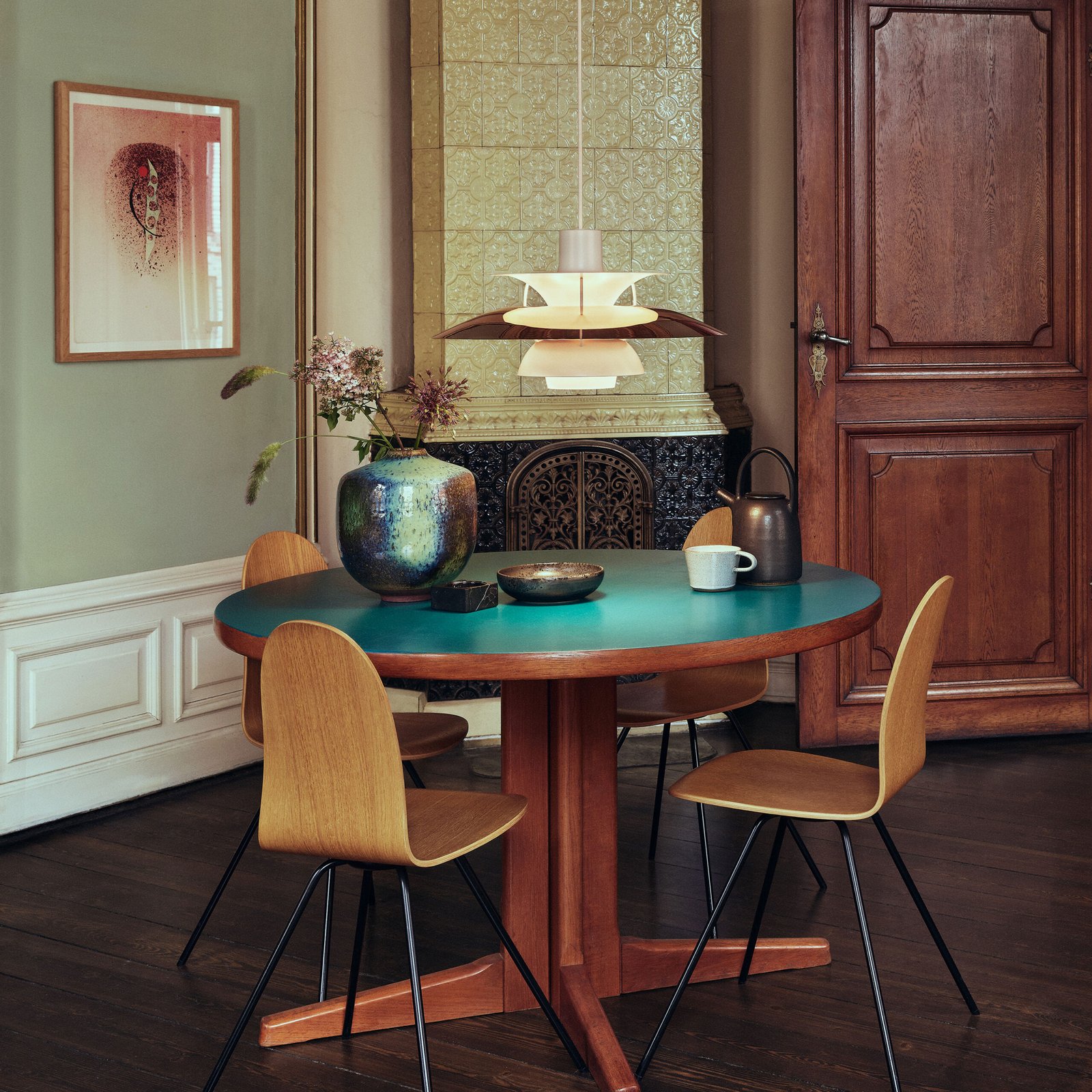
In interior design, light is never a secondary element. It shapes atmosphere, reveals materials, and defines how a space is truly experienced. Long before trends and styles, light has always played a central role in how we live and perceive our surroundings.
Created in 1925, the iconic PH lamp designed by Poul Henningsen emerged at a time when electric lighting was still finding its place in domestic interiors. What concerned Henningsen most was not form, but discomfort — the harsh glare produced by direct light, something widely accepted at the time as unavoidable.
He challenged that assumption. Rather than designing an object for visual impact alone, Henningsen approached lighting as a system. His solution was precise and almost scientific: a sequence of layered shades, carefully calculated to guide, soften, and distribute light evenly. The result was illumination that felt natural, comfortable, and deeply human.
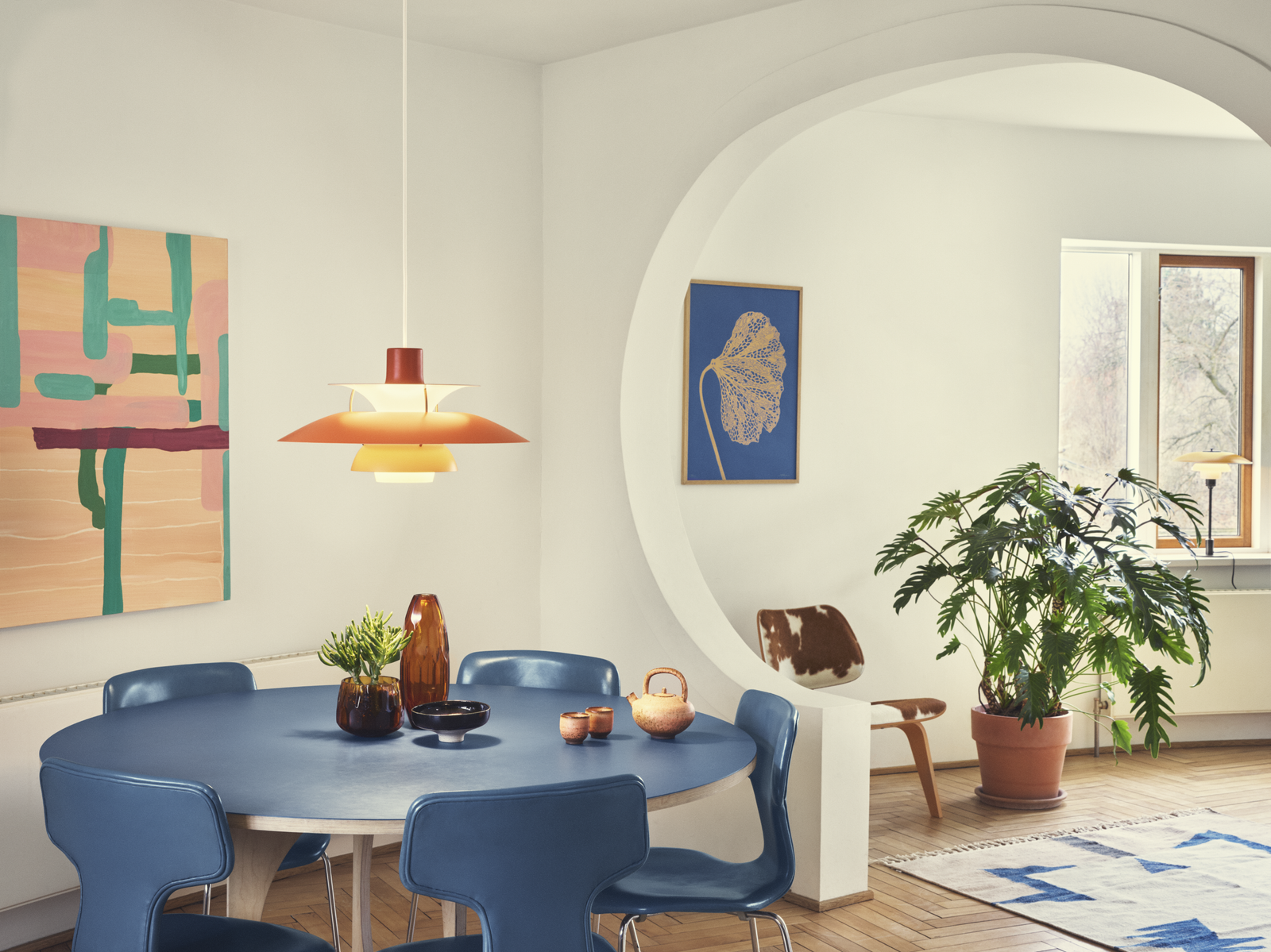
That is where its lasting relevance lies. The design was never driven by fashion, but by intention. By responding to a fundamental human need, it continues to belong effortlessly in both classic and contemporary interiors.
Visually restrained yet unmistakably present, the lamp demonstrates that good design does not need to dominate a space to be remembered. It quietly reinforces the idea that clarity, purpose, and respect for the user are what allow design to endure.
More than a lighting piece, it stands as a reminder: when light is treated with thought and responsibility, it never becomes dated, it simply remains essential.
— PATRICIA STEAGALL